Management Plan

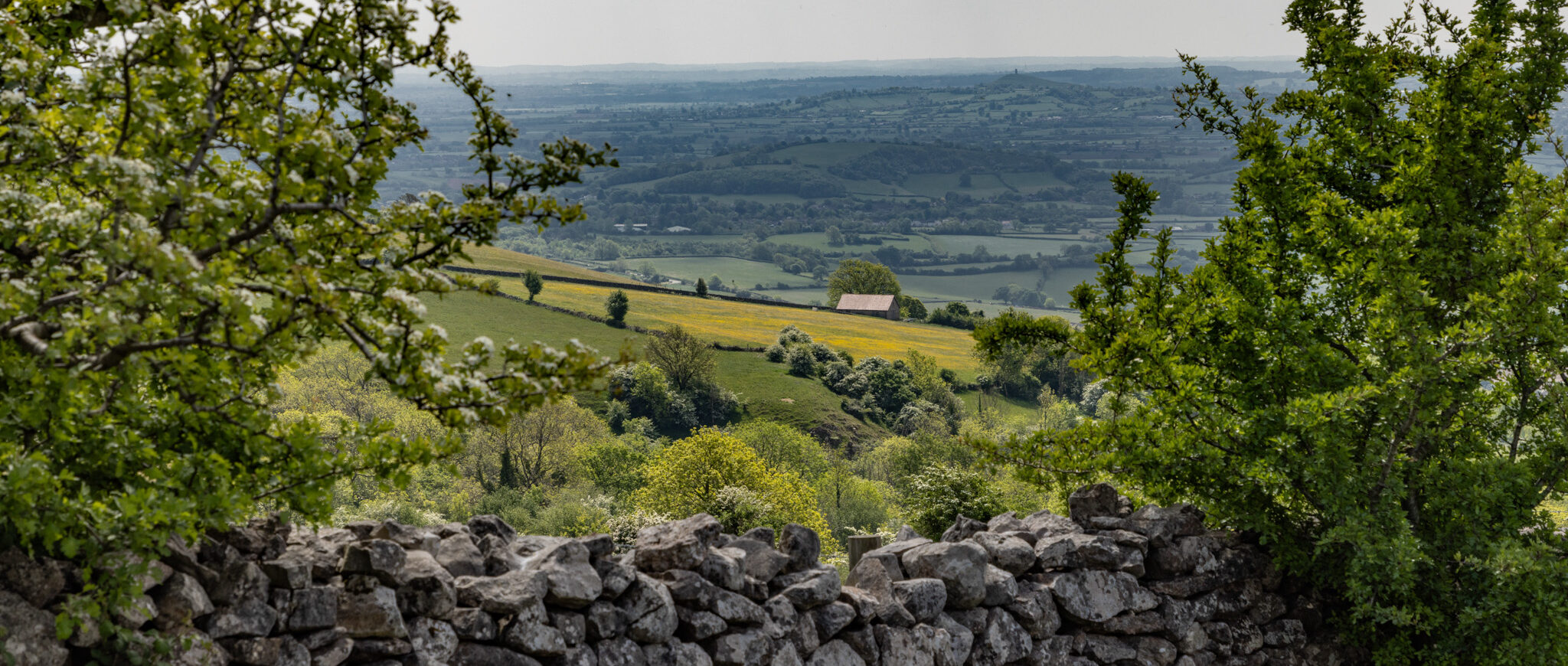
View from the Mendip Hills over a drystone wall across the Somerset Levels

Photo by Lucy Masters

Draft management plan 2025-2030

The draft Mendip Hills National Landscape Management Plan 2025 – 2030 

As part of caring for the Mendip Hills National Landscape, there is a statutory duty to prepare a Management Plan and to review it at least every five years.

The Plan is an important document because it describes the special qualities of the National Landscape; and provides a framework for working across organisations to support its protection, enhancement and enjoyment in line with an agreed vision.

Our existing Management Plan covers the period 2019 – 2024. We commenced a review in 2023 and have since engaged in ongoing consultation with residents, farmers, other businesses owners, elected councillors, parish councils, other stakeholders and visitors to discover what they think the important issues are.

These conversations have helped us draw up a draft Management Plan for 2025 – 2030 which has now been adopted by 2 out of the 3 local authorities (7/5/26). 

VIEW THE DRAFT MENDIP HILLS NATIONAL LANDSCAPE MANAGEMENT PLAN FOR 2025 – 2030 HERE

The current management plan is linked at the bottom of this page.


Supporting evidence and Information

The draft Management Plan is informed by a range of background evidence and information.

In 2022, we commissioned a ‘State of the AONB’ report to provide a snapshot of the health of the area. The report gathers together a wide range of data structured around the themes of ‘Nature, Climate, People and Place’ which has shaped the format and structure of the draft Management Plan. The report is available to view here: STATE OF THE AONB REPORT 2023

Since 2020, the Mendip Hills National Landscape Team has been working with a range of partners, consultants, local records centres, land managers, and specialists to get a better understanding of the state of nature in the National Landscape and, using this information, has developed a Nature Recovery Plan. The first complete edition of the NATURE RECOVERY PLAN was published in August 2023.

A summary of the findings of our initial public consultation prior to writing the draft Management Plan, prepared by ‘Distinctive’ is here: PUBLIC CONSULTATION REPORT

A ’State of Heritage’ report was commissioned from the South West Heritage Trust in 2023. STATE OF HERITAGE REPORT 2023

We carried out a draft Equalities Impact Assessment (EqIA) in 2024 and concluded that no negative outcomes are likely to impact on protected groups. The draft EqIA can be viewed here: EQUALITY IMPACT ASSESSMENT

We commissioned independent STRATEGIC ENVIRONMENTAL ASSESSMENT (SEA) and HABITATS REGULATION ASSESSMENT (HRA) “screening” reports from Lepus in 2024. The SEA report concluded that there are no likely significant (negative) environmental effects associated with any part of the Management Plan. Similarly, the HRA report concluded that there are not expected to be any likely significant environmental effects on any European sites. In line with Regulations, we consulted Natural England as the statutory nature conservation body on the HRA report, who confirmed their view that further screening is not required.  We also consulted Natural England, the Environment Agency and Historic England on the SEA report, and again no representations were received which indicated that further assessment is needed. Having considered these responses in line with the statutory duties, we have determined that we will adopt the findings of the reports. Accordingly, we have concluded that neither a full Strategic Environmental Assessment, nor a full Habitats Regulations Assessment of the draft Management Plan are necessary.

The existing Management Plan for the Mendip Hills is here


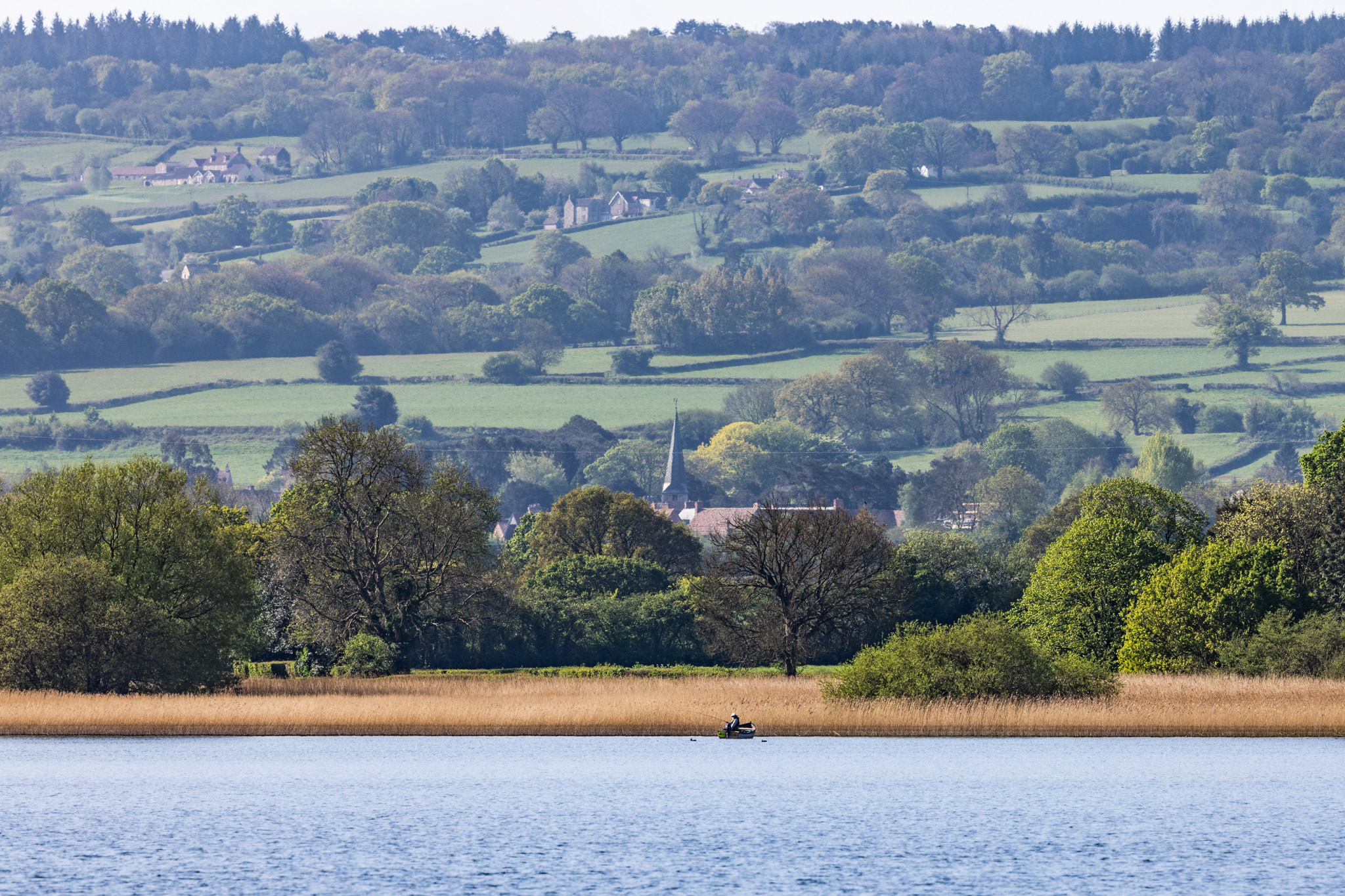
Across Chew Valley Lake to the northern slopes of the Mendip Hills

Photo by Lucy Masters

FAQs

Once approved by the Partnership, the Draft Management Plan has a further statutory period of consultation before it is presented to the local authorities and Natural England for adoption.

Q: Why are you developing a Management Plan?

A: The primary legislation relating to National Landscapes is set out in the Countryside and Rights of Way Act 2000 (CRoW Act). This legislation uses the original term for National Landscapes, ‘Area of Outstanding Natural Beauty’ (AONB).

The Act includes provisions on the designation of AONBs, sets out requirements for the publication of an AONB Management Plan and provides that the single purpose of AONBs is the conservation and enhancement of the natural beauty.

We have a statutory duty to produce a Management Plan for the area every five years. The current management plan is for the period 2019-2024.

Q: Where can I find more information about the requirements of the Management Plan?

A: If you would like to learn more about the Management Plan process and requirements, you can read technical guidance from Natural England here: https://www.gov.uk/guidance/areas-of-outstanding-natural-beauty-aonbs-designation-and-management.

Q: Who is on the Mendip Hills National Landscape Partnership Committee?

A:

  • Somerset Council
  • North Somerset Council
  • Bath and North East Somerset Council
  • Mendip Hills National Landscape Team
  • National Trust
  • National Farmers Union
  • Natural England
  • Somerset Wildlife Trust
  • Avon Wildlife Trust
  • Bath and North East Somerset Parishes Representative
  • North Somerset Parishes Representative
  • Somerset Parishes Representative
  • Mendip Society
  • Campaign to Protect Rural England
  • The Trails Trust (Co-opted)

Q: What is a National Landscape or an AONB?

A: In November 2023, all 46 Areas of Outstanding National Beauty (AONB) in England and Wales adopted a new name, National Landscapes. National Landscapes still retain the AONB designation and all the protections under the Countryside Rights of Way Act and the Levelling Up and Regeneration Act 2023.


Mendip Hills AONB Management Plan 2019-2024

The Mendip Hills AONB Management Plan identifies what is necessary to conserve and enhance this special landscape. The Mendip Hills AONB Partnership leads on the production and review of the Management Plan for the local authorities who adopt it.

As required by the Countryside and Rights of Way Act 2000 (the CRoW Act) the local authorities have a statutory responsibility to produce and review the AONB Management Plan every five years. The Management Plan 2019-24, subsequent Delivery Plan and State of the AONB report can be found below.

Mendip Hills AONB Management Plan 2019-2024 (PDF Download 3MB)

Delivery Plan 2019-2024 (PDF Download 231KB)
State of the AONB Report (PDF Download 4.5MB)

Mendip Hills Nature Recovery Plan (PDF Download 21mb)

Mendip Hills AONB SEA Screening Report (PDF Download 436KB)
Mendip Hills AONB Habitat Regulations Assessment  (PDF Download 7MB)
Mendip Hills AONB Equality Impact Assessment (PDF Download 332KB)

The Countryside and Rights of Way Act 2000 and New Statutory Duty to ‘Further the Purpose’ 

The primary legislation relating to National Landscapes is set out in the Countryside and Rights of Way Act 2000 (CRoW Act). This legislation uses the original term for National Landscapes, ‘Area of Outstanding Natural Beauty’ (AONB). The Act includes provisions on the designation of AONBs, sets out requirements for the publication of AONB Management Plans and provides that the single purpose of Areas of Outstanding Natural Beauty is the conservation and enhancement of the natural beauty. 

The Levelling-up and Regeneration Act (2023) amended section 85 of the CRoW Act, to create a new duty on relevant authorities to ‘seek to further the purpose of conserving and enhancing the natural beauty of the area’ when discharging their functions in Areas of Outstanding Natural Beauty. The new duty replaces the previous requirement for relevant authorities to ‘have regard’ to the purpose of AONBs, and is intended as a more proactive and strengthened requirement. 

The duty is a statutory one and applies to all relevant authorities when discharging any function that affects an Area of Outstanding Natural Beauty. Relevant authorities include all levels of councils, government and includes government agencies and ministers. Statutory undertakers are also covered by the duty. 

It is anticipated that guidance on the new duty will be published by DEFRA soon. In the meantime, the following advice has been provided by Natural England in respect of the new duty* : 

‘Section 245 (Protected Landscapes) of the Levelling Up and Regeneration Act 2023 places a duty on relevant authorities in exercising or performing any functions in relation to, or so as to affect, land in a National Park, the Broads or an Area of Outstanding Natural Beauty (“National Landscape”) in England, to seek to further the statutory purposes of the area.  The duty applies to local planning authorities and other decision makers in making planning decisions on development and infrastructure proposals, as well as to other public bodies and statutory undertakers.’

It is anticipated that the government will provide guidance on how the duty should be applied in due course. 

In the meantime, and without prejudicing that guidance, Natural England advises that: 

  • The duty to ‘seek to further’ is an active duty, not a passive one. Any relevant authority must take all reasonable steps to explore how the statutory purposes of the protected landscape (A National Park, the Broads, or an AONB) can be furthered; 
  • The new duty underlines the importance of avoiding harm to the statutory purposes of protected landscapes but also to seek to further the conservation and enhancement of a protected landscape. That goes beyond mitigation and like for like measures and replacement.  A relevant authority must be able to demonstrate with reasoned evidence what measures can be taken to further the statutory purpose. 
  • The proposed measures to further the statutory purposes of a protected landscape, should explore what is possible in addition to avoiding and mitigating the effects of the development, and should be appropriate, proportionate to the type and scale of the development and its implications for the area and effectively secured.  Natural England’s view is that the proposed measures should align with and help to deliver the aims and objectives of the designated landscape’s statutory management plan.  The relevant protected landscape team/body should be consulted. 

The new duty is applicable to all actions of relevant authorities, not just those relating to planning. In undertaking actions that impact or could potentially impact on National Landscapes and their settings, the relevant authority must be able to demonstrate how they have actively sought to further the purpose of conserving and enhancing the natural beauty of the National Landscape. The way in which the purpose of designation might be furthered, or the evidence of the genuine attempt to seek to do so, should be open to scrutiny. 

* Advice provided by Natural England to the Lower Thames Crossing DCO Examining Authority on the implications of the new duty to further, Annex 2 of letter dated 15th December 2023 

Further advice on the new duty will be provided in due course.