Project Executive Summary:
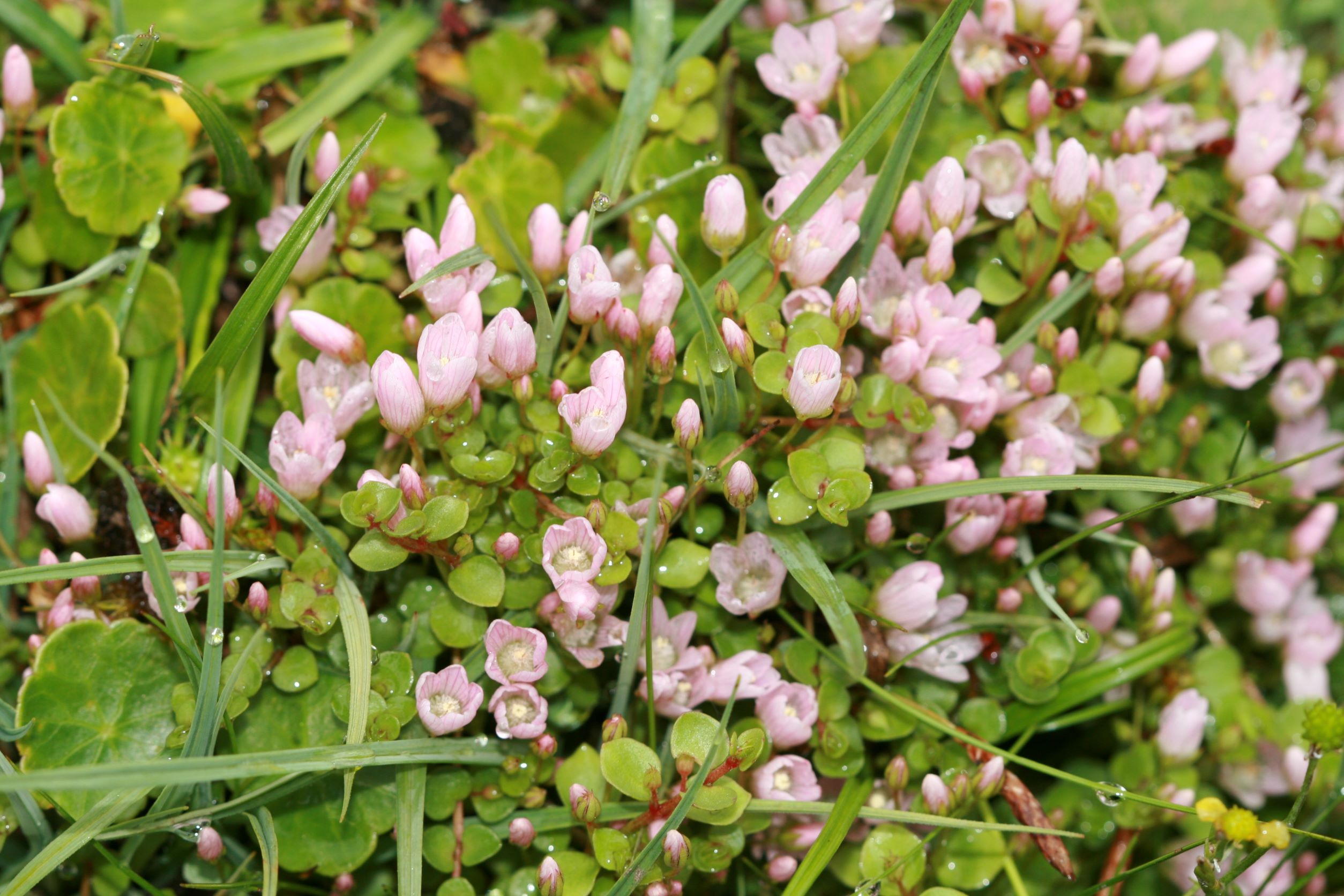
A grant of just under a quarter of a million pounds from Defra’s Green Recovery Challenge Fund, saw a partnership of eight key environmental non-governmental organisations, local authorities, and National Landscape teams come together to work in partnership and deliver 22 workstreams across 15 different sites and three Areas of Outstanding Natural Beauty (National Landscape) in Somerset, to support nature recovery on grassland, woodland, mire, and riverine habitat. The work aimed to ‘level up’ for nature by enhancing habitat from the Levels Up to the hills of the three Areas of Outstanding Natural Beauty (National Landscapes) – the Blackdown Hills, Mendip Hills, and Quantock Hills – along strategically important nature recovery networks, to enhance interconnectivity and transitional habitat between the hills and the levels.
Led by the Mendip Hills National Landscape Team, in conjunction with the Blackdown Hills National Landscape and Quantock Hills National Landscape teams, the project supported 15 local environmental charities and contractors to provide funding and greater financial resilience and collaboration.
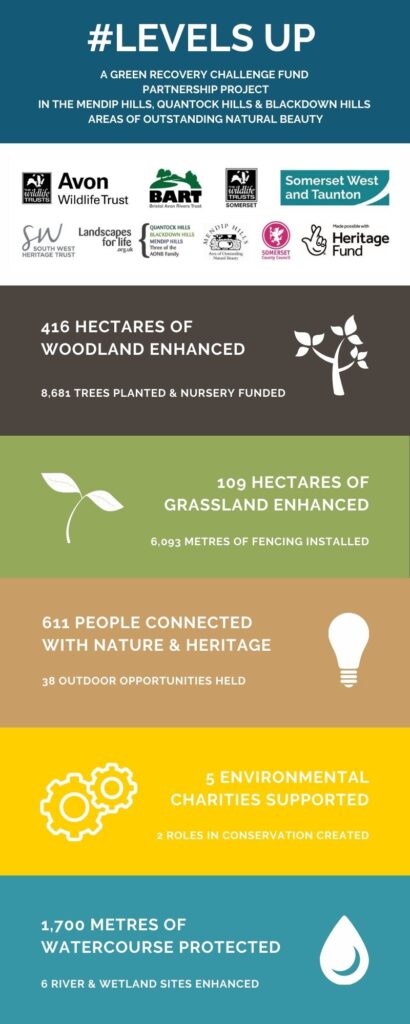
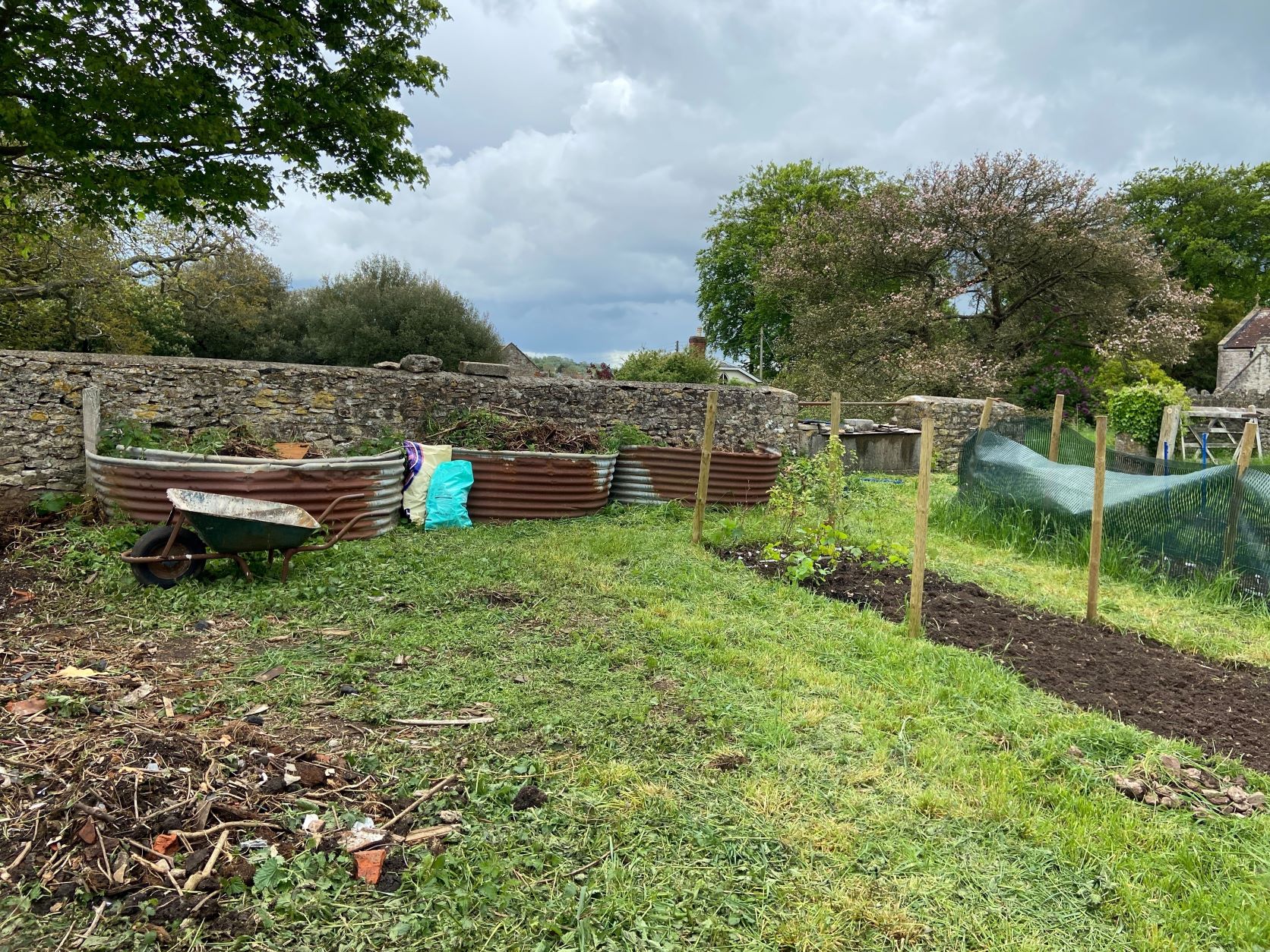
611 people participated in the project, gaining a connection with heritage and nature through 38 outdoor volunteering / training opportunities and events, with approximately £19,000 of volunteer time donated. This supported people’s connection to nature and the learning of new skills. Two members of staff gained employment through the project and went on to secure full-time permanent jobs.
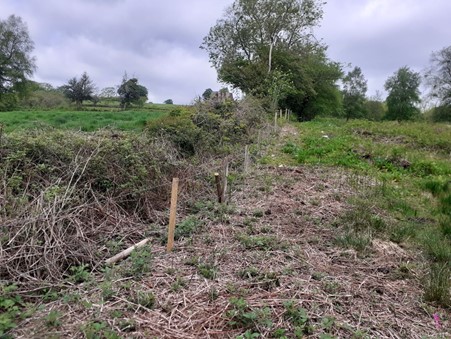
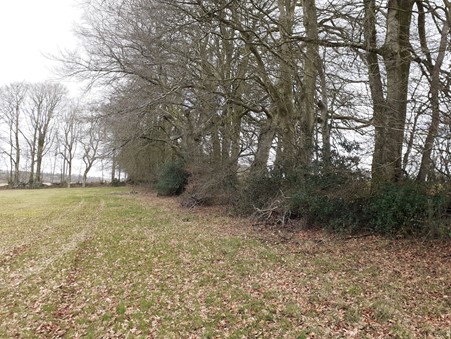
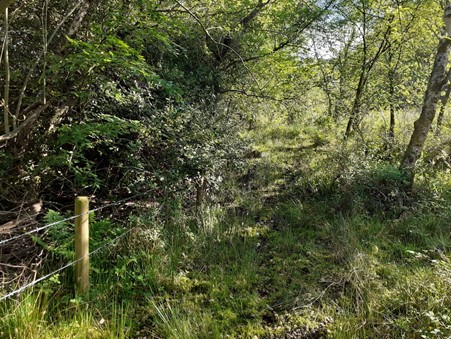
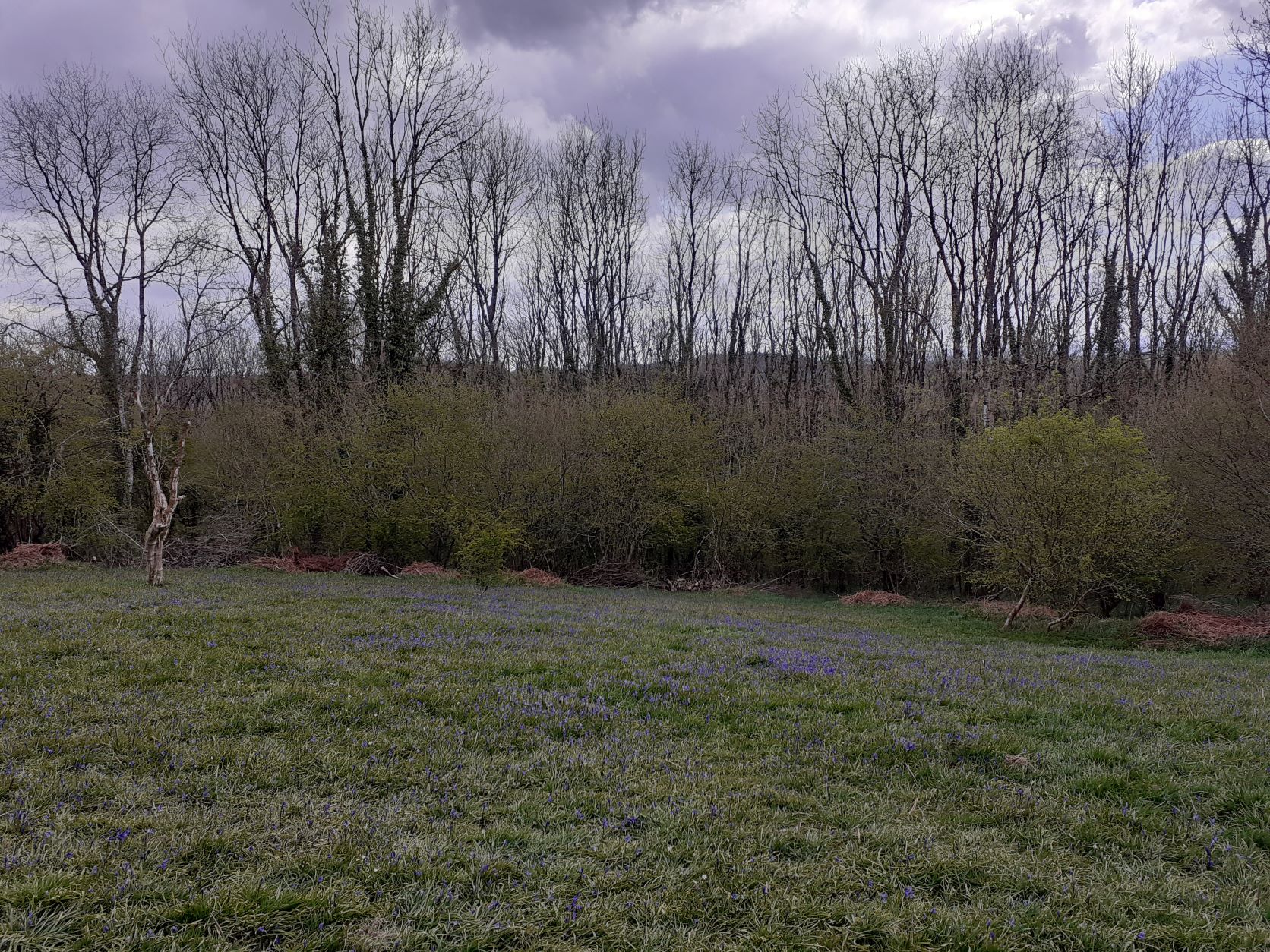
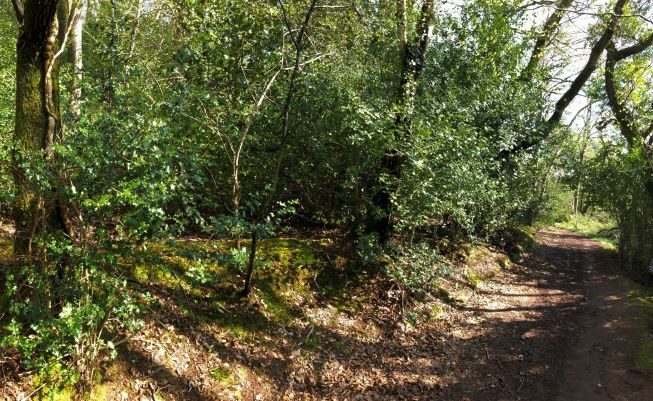
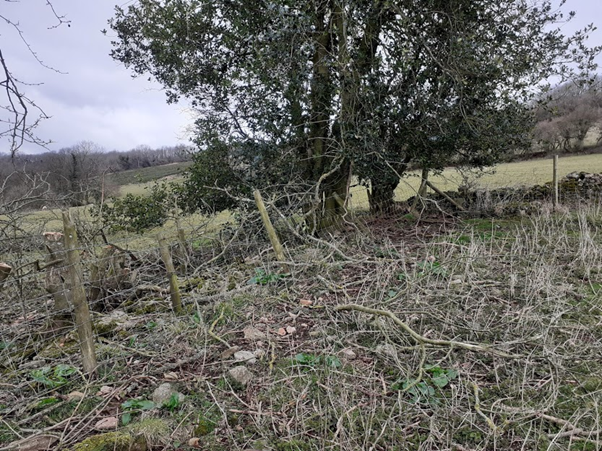
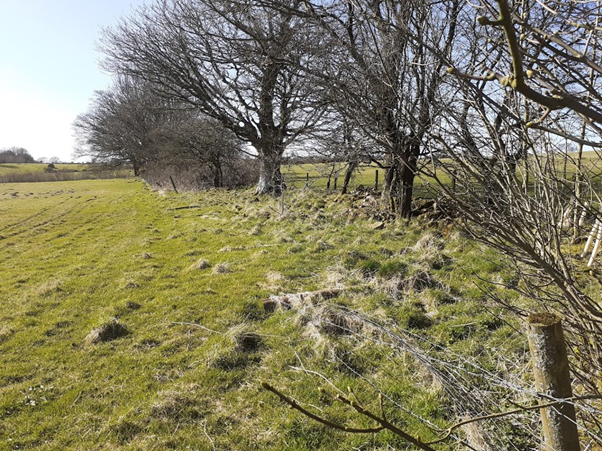
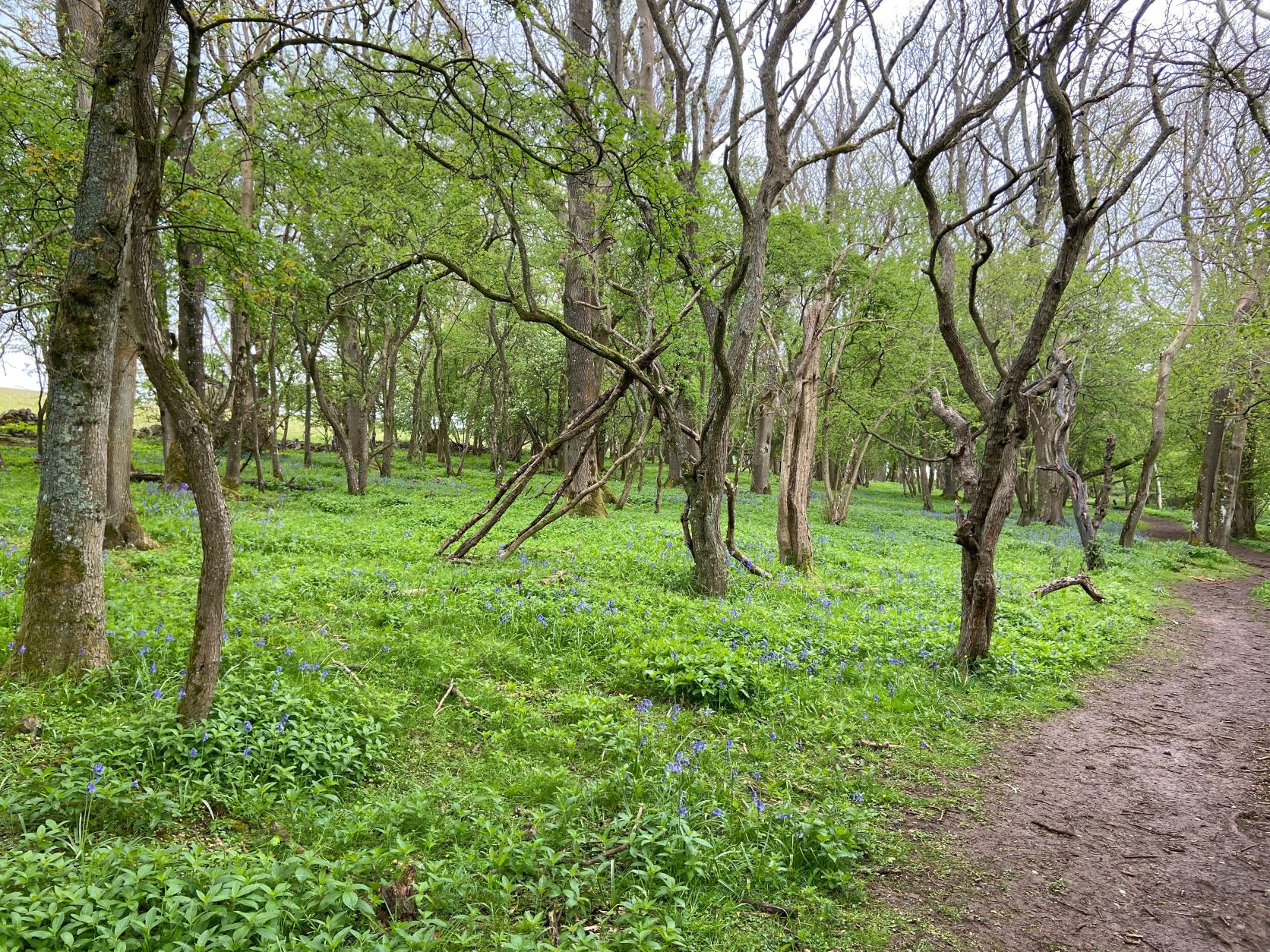
109 hectares of grassland were enhanced due to scrub removal and the installation of 6,093 metres of fencing, which will enable improved grazing to take place on these sensitive and valuable sites that would otherwise have not been possible. 416 hectares of woodland were enhanced, with 8,681 new trees planted in the landscape and into a local tree nursery in Westbury-sub-Mendip for planting out in the coming years, providing improved resilience of native woodlands and hedgerows in the face of Ash Dieback and Climate Change. Nearly 2km of watercourse and riparian habitat was also better protected in the Upper Chew catchment of the Mendip Hills, reducing sediment pollution, leading to water quality and ecological improvements. Much of the work delivered will have positive longer-term impacts for nature that cannot yet be fully measured.
The project’s biggest drawback was the timeline to which the work had to be completed. The nature of the funding and early delays meant that the timeline was out of sync with the seasons, and this meant that practical land management jobs were made more difficult. However, overall, the project’s key outputs and outcomes were met or exceeded, and stakeholders were unanimously positive about the project, feeling proud at what had been achieved.
Project partners felt the project left a strong legacy, with benefits to priority habitat and improved long-term grassland and woodland management. The collaborative cross-working approach was very successful and partner organisations felt more resilient as a result. Communication and coordination were key and showed partners the importance of National Landscape Partnerships and how all organisations with a shared vision can act fast and deliver on the ground with positive results at short notice. The project brought partners together to collaborate in new ways and should act as a valuable stepping-stone to open new opportunities for partnership working in the future, helping organisations work together as part of their recovery from the pandemic and in the face of the joint climate and ecological crises.