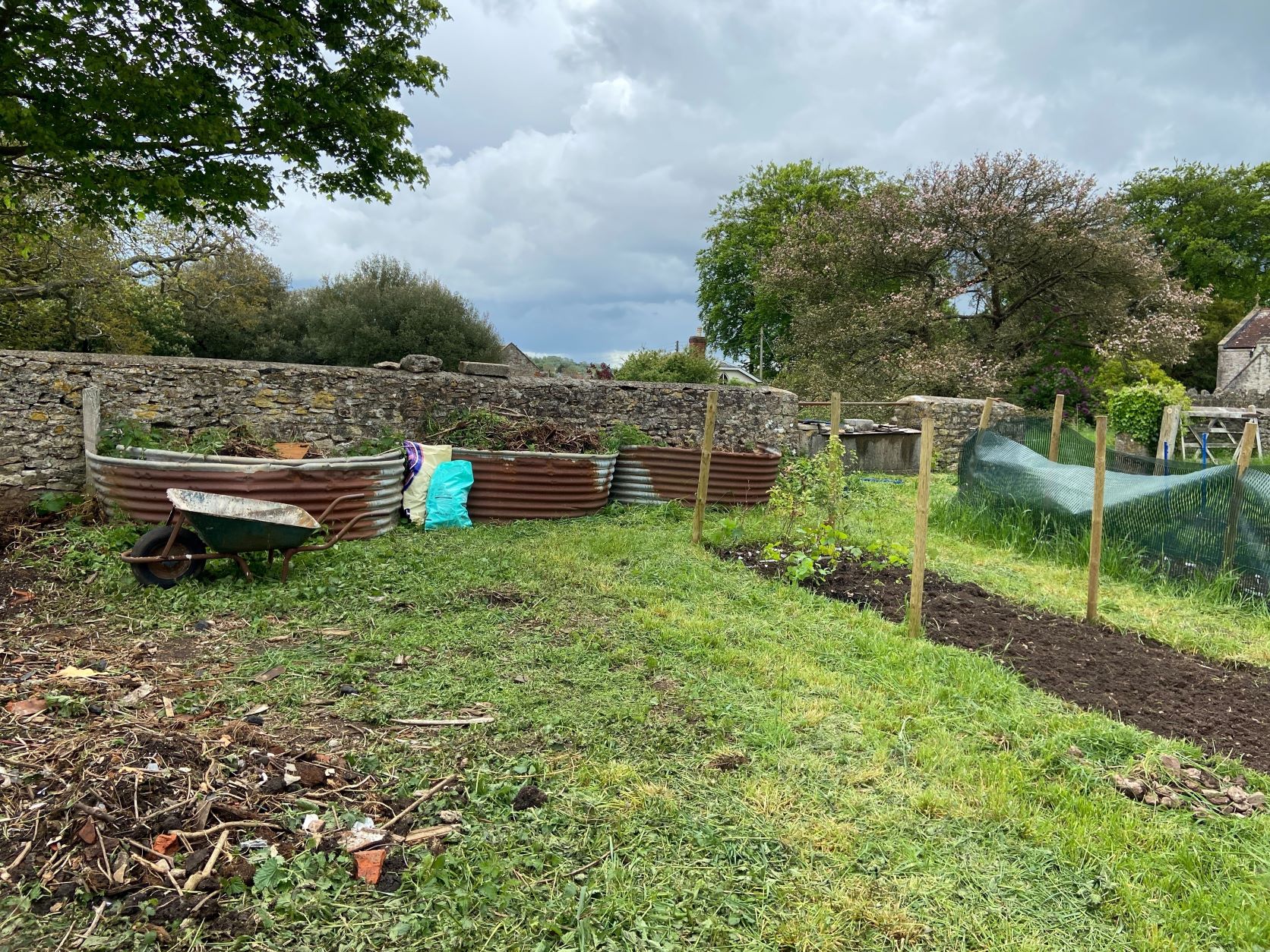
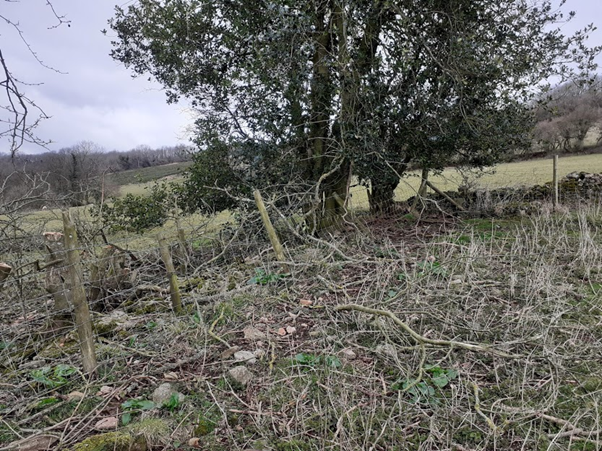
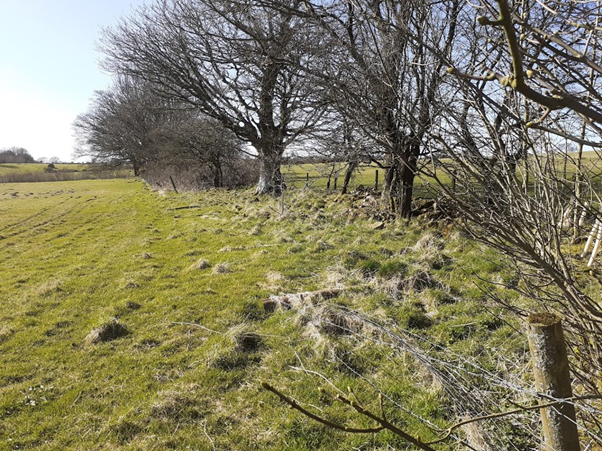
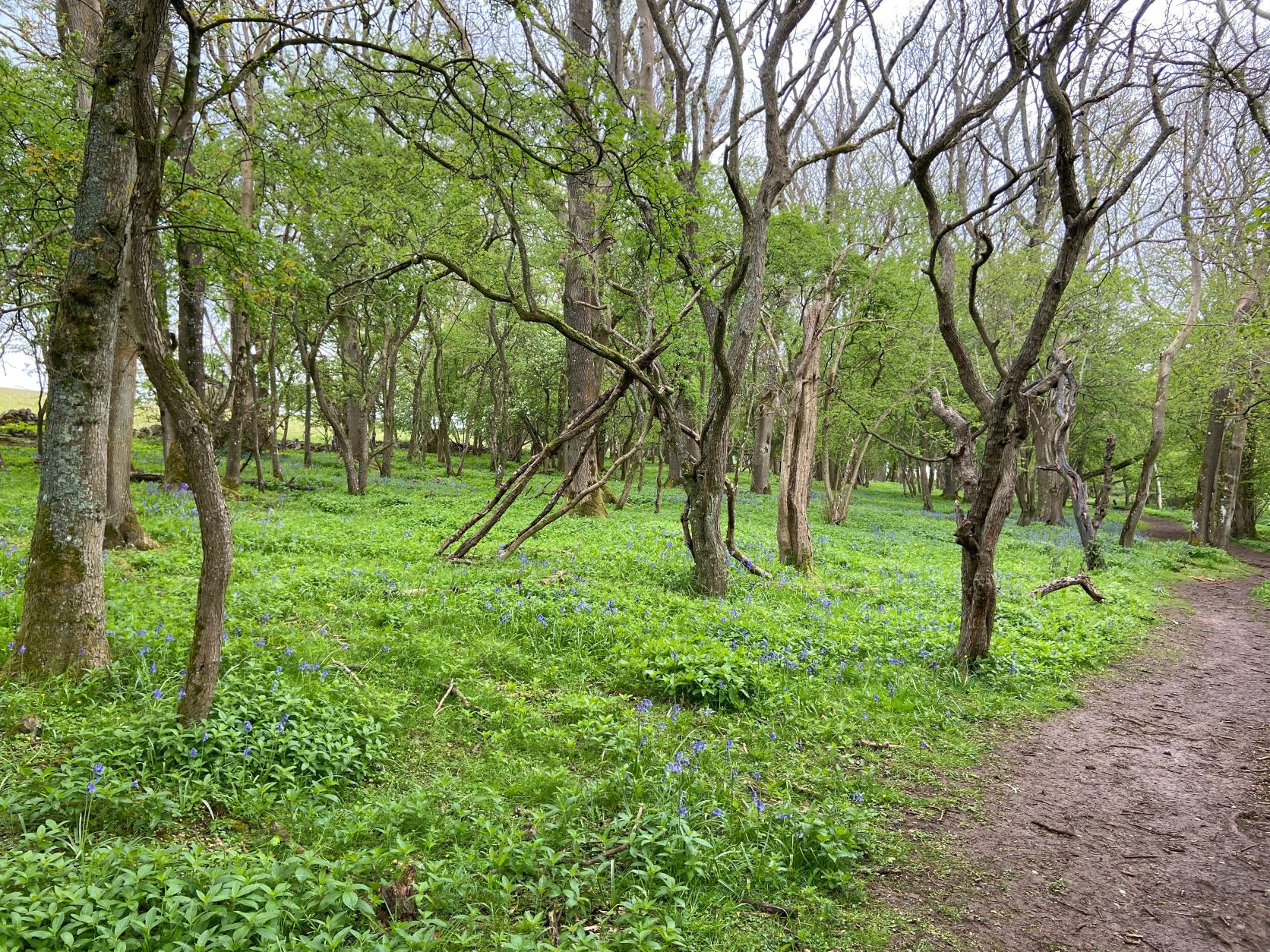
Image of the Chew Valley and Chew Valley Lake

About the Project

The Somerset Areas of Outstanding Natural Beauty (now National Landscapes), led by the Mendip Hills National Landscape Team, secured £248,900 from Defra’s Green Recovery Challenge Fund and the National Lottery Heritage Fund to deliver the ‘Levels Up’ project during 2021 (completed April 2022). 

The partnership project saw key environmental charities, local authorities, and National Landscape teams working across the three Somerset National Landscapes – the Mendip Hills, Blackdown Hills and Quantock Hills – along strategically important Nature Recovery Networks, to deliver pre-determined projects aimed at enhancing connections for wildlife and transitional habitats between the Levels up to the Hills.

Click here to view a higher resolution version of the project sites map © Somerset Wildlife Trust 2020 (PDF Download 2.6MB).


Project Aims:

  • Restore transitional grassland mosaics through improving grazing regimes and providing benefits in sensitive water catchments. 129 hectares of grassland will be enhanced, and 4,280 metres of fencing installed.
  • Enhance 399 hectares of woodland, with 3 hectares and 7,250 new trees planted. The resilience of these woodlands will be improved through removing invasive species and underplanting to mitigate against Ash Dieback.
  • Connect 180 people with heritage and nature through 30 outdoor volunteering / training opportunities and events to support the public’s re-discovery of nature as a result of the pandemic and long-term environmental monitoring.
  • Prioritise resilience of environmental charities and collaboration by creating 2 roles and supporting environmental NGO and contractor jobs, with 79% of the grant benefiting local charities.

Project Partners:

The project was delivered in partnership with Avon Wildlife Trust, Bristol Avon Rivers Trust, Somerset Wildlife Trust, the South West Heritage Trust, Somerset West and Taunton Council, Westbury-sub-Mendip Tree Group, and the Blackdown Hills National Landscape, Quantock Hills National Landscape Service and the Mendip Hills National Landscape teams, hosted by Somerset County Council (Lead Partner).

levels up partner logos


Project Executive Summary:

A grant of just under a quarter of a million pounds from Defra’s Green Recovery Challenge Fund, saw a partnership of eight key environmental non-governmental organisations, local authorities, and National Landscape teams come together to work in partnership and deliver 22 workstreams across 15 different sites and three Areas of Outstanding Natural Beauty (National Landscape) in Somerset, to support nature recovery on grassland, woodland, mire, and riverine habitat. The work aimed to ‘level up’ for nature by enhancing habitat from the Levels Up to the hills of the three Areas of Outstanding Natural Beauty (National Landscapes) – the Blackdown Hills, Mendip Hills, and Quantock Hills – along strategically important nature recovery networks, to enhance interconnectivity and transitional habitat between the hills and the levels.

Led by the Mendip Hills National Landscape Team, in conjunction with the Blackdown Hills National Landscape and Quantock Hills National Landscape teams, the project supported 15 local environmental charities and contractors to provide funding and greater financial resilience and collaboration.

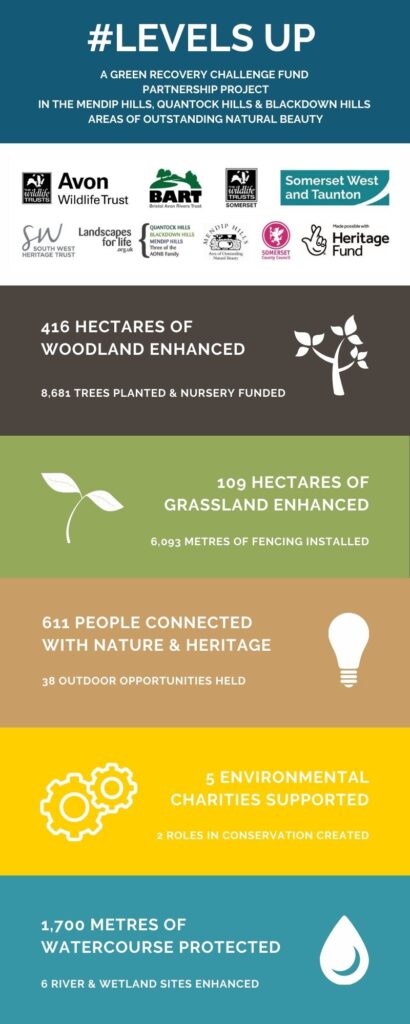
611 people participated in the project, gaining a connection with heritage and nature through 38 outdoor volunteering / training opportunities and events, with approximately £19,000 of volunteer time donated. This supported people’s connection to nature and the learning of new skills. Two members of staff gained employment through the project and went on to secure full-time permanent jobs.

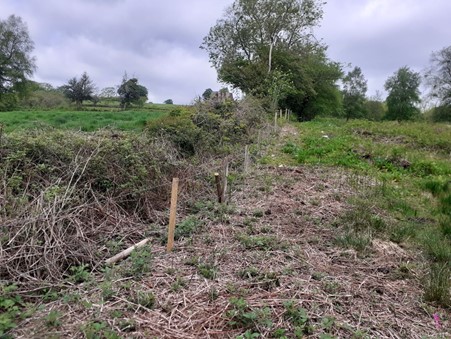
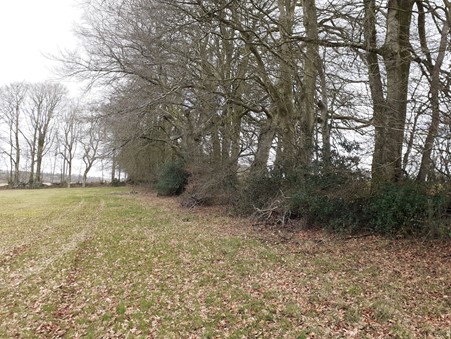
109 hectares of grassland were enhanced due to scrub removal and the installation of 6,093 metres of fencing, which will enable improved grazing to take place on these sensitive and valuable sites that would otherwise have not been possible. 416 hectares of woodland were enhanced, with 8,681 new trees planted in the landscape and into a local tree nursery in Westbury-sub-Mendip for planting out in the coming years, providing improved resilience of native woodlands and hedgerows in the face of Ash Dieback and Climate Change. Nearly 2km of watercourse and riparian habitat was also better protected in the Upper Chew catchment of the Mendip Hills, reducing sediment pollution, leading to water quality and ecological improvements. Much of the work delivered will have positive longer-term impacts for nature that cannot yet be fully measured.

The project’s biggest drawback was the timeline to which the work had to be completed. The nature of the funding and early delays meant that the timeline was out of sync with the seasons, and this meant that practical land management jobs were made more difficult. However, overall, the project’s key outputs and outcomes were met or exceeded, and stakeholders were unanimously positive about the project, feeling proud at what had been achieved.

Project partners felt the project left a strong legacy, with benefits to priority habitat and improved long-term grassland and woodland management. The collaborative cross-working approach was very successful and partner organisations felt more resilient as a result. Communication and coordination were key and showed partners the importance of National Landscape Partnerships and how all organisations with a shared vision can act fast and deliver on the ground with positive results at short notice. The project brought partners together to collaborate in new ways and should act as a valuable stepping-stone to open new opportunities for partnership working in the future, helping organisations work together as part of their recovery from the pandemic and in the face of the joint climate and ecological crises.

Project Outputs & Final Report:

Levels Up Outputs


Click here to view / download the project final report and evaluation (PDF Download 3.8MB).

Original Project Plans:

Yarty Moor SSSI – Somerset Wildlife Trust. Replacement of 1,000m of collapsed fencing at this spring line mire Site of Special Scientific Interest (SSSI) will ensure that grazing can be introduced to reduce scrub and prevent 11 hectares of this important habitat from drying out.

Ringdown SSSI – Somerset Wildlife Trust. Coppicing of scrub will allow light in through the canopy to encourage a diversity of flora and support the small pearl-bordered fritillary butterfly. 20 hectares of habitat will be enhanced with 1,000m of replacement fencing, which will ensure that nearby sheep grazing won’t damage the sensitive mire habitat.

Brimley Hill Mire – Somerset Wildlife Trust. 350m of replacement fencing and scrub management here is similar to that being carried out at Yarty Moor SSSI. 2 hectares of spring line mire and rush pasture habitat will be protected and enhanced.

Cothelstone Hill – Quantock Hills National Landscape Service. Native trees will be planted to replace those lost due to Ash Dieback, enhancing a 46 hectare area of woodland. This will enhance the woodland for the community, visitors and wildlife, and improve nature’s resilience in the face of disease and climate change.

SAC Woodland – Quantock Hills National Landscape Service. This 325 hectare oak woodland and Special Area of Conservation (SAC) will be enhanced by encouraging traditional, understorey woodland habitat through the removal of invasive species.

Quantock Common Mires – Quantock Hills National Landscape Service. New fencing and natural flood management techniques will protect the 16 hectares of acidic mires and grassland, enhancing the species-rich areas of deep peat and locking in carbon. Training sessions will also be run to engage and educate local people.

Norton Hillfort – Somerset West and Taunton Council. 5.2 hectares will be converted from arable land to a permanent species-rich wildflower grassland to both encourage pollinators and protect 3,000 years of archaeological history. Part of a wider project which will see the site adopted by the South West Heritage Trust with an open day in July.

Community Tree Nursery – Westbury-sub-Mendip Tree Group and Mendip Hills National Landscape Service. The nursery will grow low cost, locally native trees for Mendip and other Somerset broadleaved woodland sites. The site will be run by the local community creating a local connection to nature and a lasting legacy.

Deer Leap – Mendip Hills National Landscape Service. This Scheduled Monument is next door to Cook’s Field. 600m of replacement fencing will enhance 44 hectares of limestone grassland habitat, increasing floristic diversity and benefiting other species such as skylark and the small pearl-bordered fritillary butterfly. A new entrance gate will also improve access to the site for visitors. A training session will also be held in the autumn.

Cook’s Field – Somerset Wildlife Trust. A 30 hectare south-facing hillslope of flower-rich limestone grassland will be enhanced by the replacement of 550m of fencing to improve conservation grazing across the site.

Lots Grassland – Somerset Wildlife Trust. Replacement of 580m of fencing will enhance 30 hectares of important meadow and species-rich grassland and heathland habitats through improved conservation grazing on site.

Hutton Hill Wood – Avon Wildlife Trust. Local volunteers will improve access to the site and carry out management to create open rides through the woodland, enhancing 28 hectares by encouraging native ground flora and supporting populations of butterflies and bat species.

Upper Chew, North Widecombe – Bristol Avon Rivers Trust. New fencing, infrastructure and tree planting on farmland will help to protect and restore the riverbank and improve water quality, slow surface water runoff and enhance riparian habitat for wildlife.

Upper Chew, Coley – Bristol Avon Rivers Trust. Working with the farmer, a buffer strip will be created along the riverbank to prevent livestock entering the river, which in turn will reduce soil loss and sediment from entering the watercourse, and improve water quality and the riparian and aquatic environment.

Survey Training and Farm Events. 3 survey training days and 3 land management events will be held in each of the 3 National Landscapes, working with specialist organisations to train and engage local volunteers and landowners in biological monitoring and nature-friendly land management.