Special Qualities

There are 12 ‘special qualities’ that you should know about to understand and experience the Mendip Hills. Individually they are important, together they are what makes the Mendip Hills a National Landscape, designated as an Area of Outstanding Natural Beauty.

What are the 12 Special Qualities of the Mendip Hills National Landscape?

Rising from the Somerset Levels are the distinctive Mendip Hills; and with the lakes of Chew Valley and Blagdon, they form the 198 square kilometres that is the nationally-protected landscape of the Mendip Hills National Landscape. The special qualities that create the Mendip Hills sense of place and identity are:

The limestone aquifer feeding the reservoirs

#mendipwater

Find out more about related geology through a photo by Elizabeth Woodger

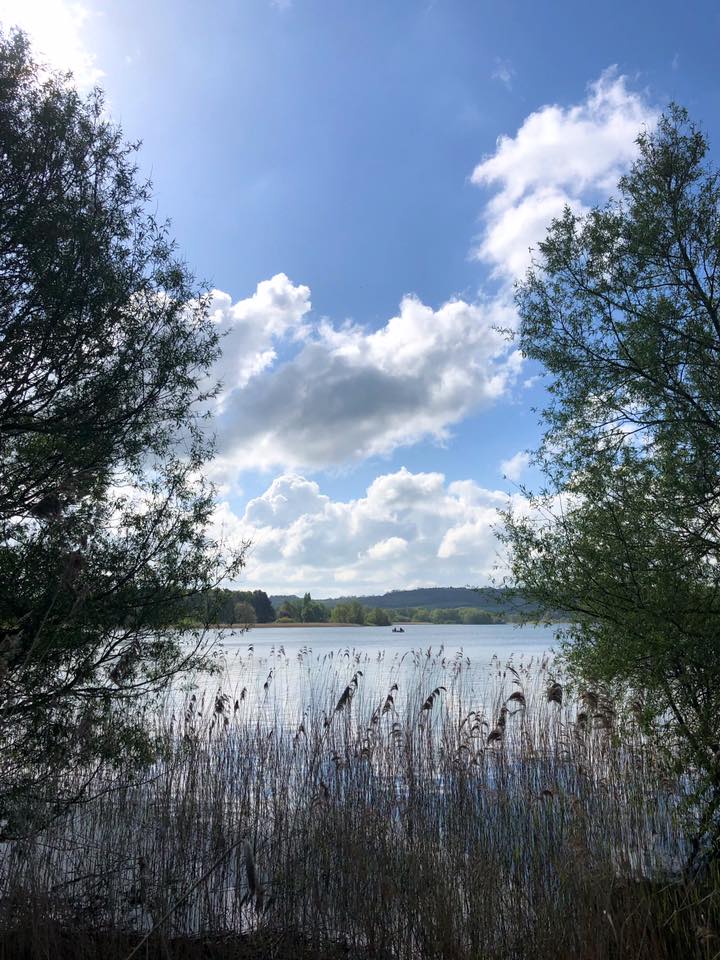
Feeding the reservoirs of Cheddar, Chew Valley and Blagdon lakes, providing habitats of local and international importance for birds and many other species, as well as a drinking water for over 1 million people.

Cheddar Reservoir is designated a Site of Special Scientific Interest.

January 2019 #mendipwater blog (PDF Download 62kB)

January 2022 #mendipwater blog (PDF download 463kB)

Sparsely populated and tranquil plateau

#mendipplateau

Find out more about related geology through a photo by Elizabeth Woodger

Settlements of Mendip are found along the spring lines where the water emerges from underground; but there is little open water and therefore limited settlement on the windswept plateau – combine this with dark night skies, giving an incredible view of the stars, for a wonderful sense of tranquillity.

Priddy is the only village on the plateau and sums up the tough character of Mendip.

February 2019 #mendipplateau blog (PDF Download 140KB)

February 2025 #mendipplateau blog (PDF Download 2.5MB)

Evidence of human settlement

#mendiparchaeology

Find out more about related geology through a photo by Elizabeth Woodger

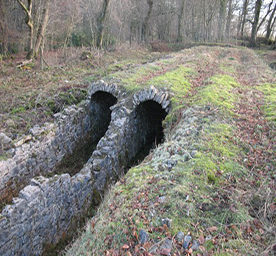
Dating back 500,000 years! Henge monuments, barrows and hillforts, through to World War II sites, are prominent features on the plateau. Romans and Victorians left a mining landscape with ‘gruffy ground’ that nature is reclaiming.

Stockhill Forest and East Harptree Woods are two places where you can still see the old mining landscape.

March 2019 #mendiparchaeology blog (PDF Download 114KB)

The Chew Valley


#mendipchewvalley

Find out more about related geology through a photo by Elizabeth Woodger

The sheltered, lower-lying farmed landscape with smaller fields divided with hedges and hedgerow trees, contrasting with the windswept plateau.

Chew Valley Lake was created in the 1950s as a new reservoir, flooding a large part of the Chew Valley. It is now designated a European Special Protection Area for birds.

April 2019 #mendipchewvalley blog (PDF Download 104KB)

April 2025 #mendipchewvalley blog (PDF Download 4MB)

South-facing slopes of flower-rich limestone grasslands

#mendipgrasslands

Find out more about related geology through a photo by Elizabeth Woodger

Buzzing with life in the spring and summer, the slopes are home to important calcareous grassland with diverse plant life, quirky insects such as the black oil beetle, and singing skylarks overhead.

Crook Peak and Deer Leap are spectacular places where you can move along these slopes and look out across Somerset.

May 2019 #mendipgrasslands blog (PDF Download 211KB)

May 2023 #mendipgrasslands blog (PDF Download 180KB)

May 2025 #mendipgrasslands blog (PDF Download 10MB)

A tough landscape famous for adventure and enjoying nature

#mendipadventure

Find out more about related geology through a photo by Elizabeth Woodger

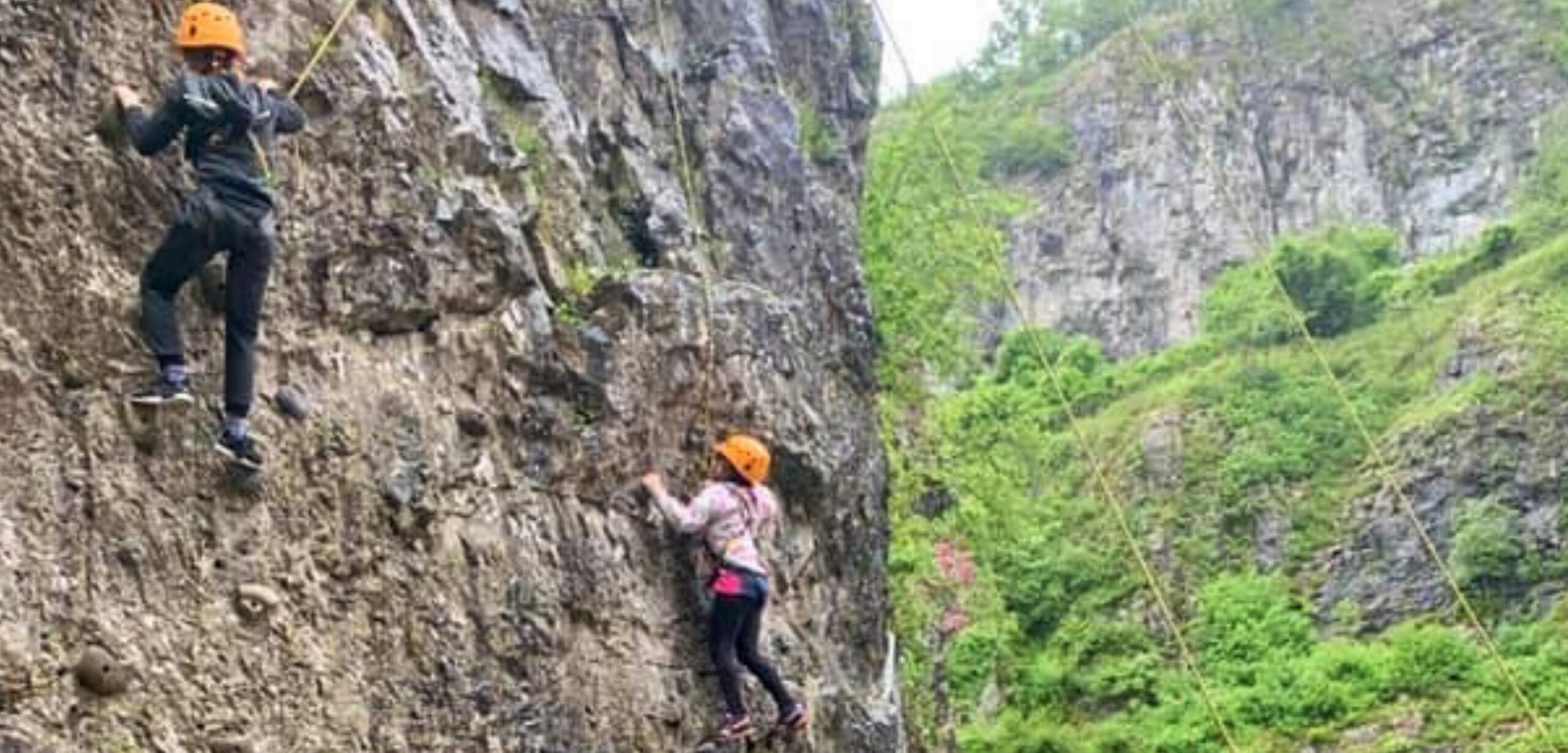
The geology has created incredible opportunities for caving, climbing and cycling. However the tranquillity also allows for quieter activities such as bird watching, walking, and simply being in nature.

Burrington Combe and Cheddar Gorge are great places to start your adventure!

June 2019 #mendipadventure blog (PDF Download 219KB)

June 2025 #mendipadventure blog (PDF Download 13MB)

Views towards and Views out

#mendipviews

Find out more about related geology through a photo by Elizabeth Woodger

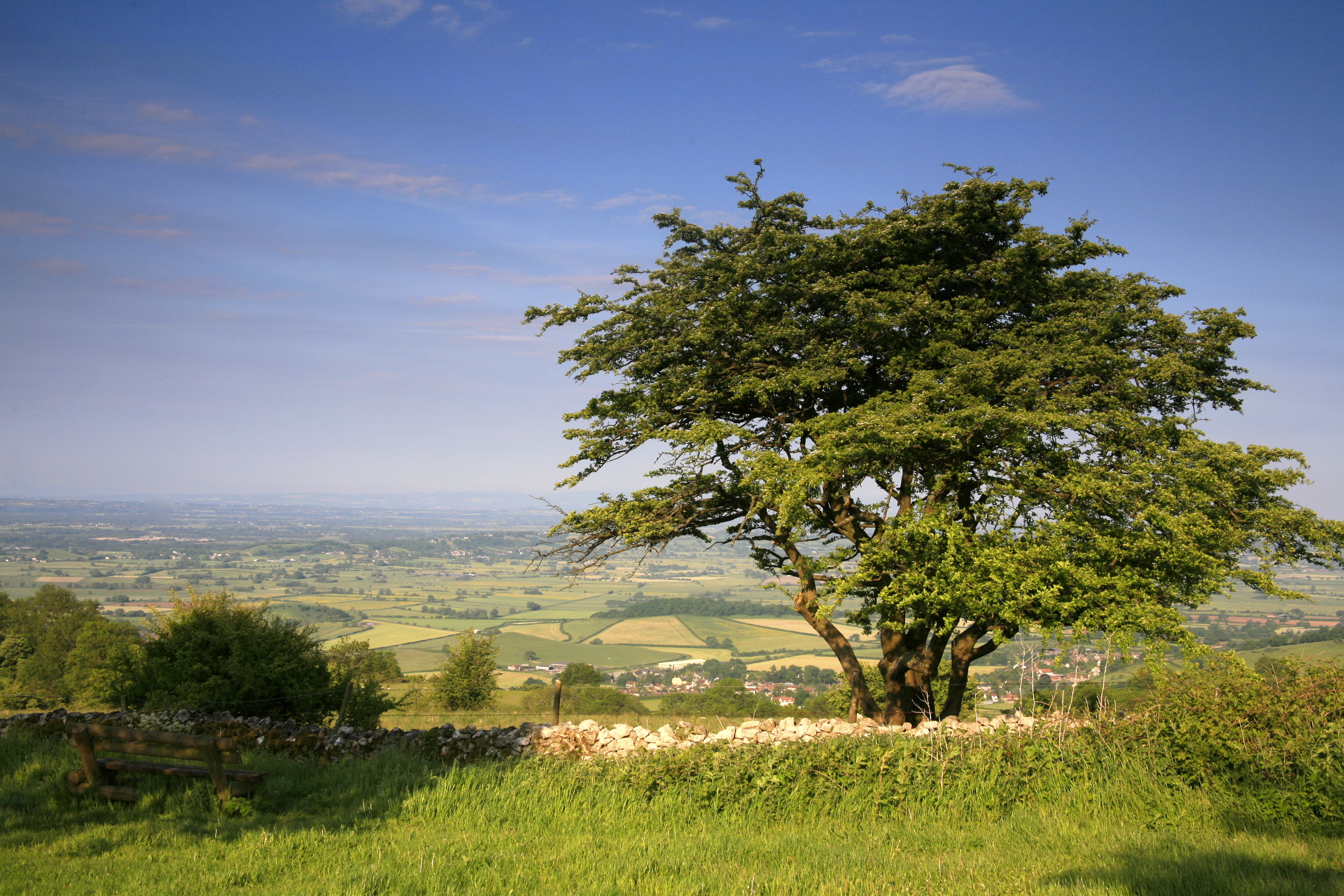
Viewing the imposing Mendip Hills from Exmoor, Quantocks, the Somerset Levels and Moors, North Somerset, and the Chew Valley.

and

Stunning views out from Mendip including across the Severn Estuary to Wales and the Somerset Levels to Glastonbury Tor and the Somerset coastline.

July 2019 #mendipviews blog (PDF Download 115KB)

July 2020 #mendipviews blog (PDF Download 391KB)

July 2025 #mendipviews blog (PDF Download 19kB)

Distinctive limestone ridge

#mendipridge

Find out more about related geology through a photo by Elizabeth Woodger

The windswept plateau and ridgeline punctuated by spectacular dry valleys and gorges, ancient sinkholes and depressions, and impressive rocky outcrops. Distinctly different from the levels surrounding it.

The distinctive ridgeline can be seen clearly looking up at Crook Peak and Wavering Down, and Cheddar Gorge is probably the single best-known limestone karst feature in Britain.

August 2019 #mendipridge blog (PDF Download 91KB)

Diverse and visible geology

#mendiprocks

Find out more about related geology through a photo by Elizabeth Woodger

Ranging from Devonian to Jurassic in a relatively small area, making it one of the best areas in the country to appreciate the relationships between geology, landscape, archaeology, and natural history.

Ebbor Gorge National Nature Reserve will get you up close and personal to the rocks.

September 2019 #mendiprocks blog (PDF Download 90KB)

Caves

#mendipcaves

Find out more about related geology through a photo by Elizabeth Woodger

For their wildlife, geological, and archaeological importance. Aveline’s Hole the oldest burial site in Britain and Gough’s Cave in Cheddar Gorge is one of the most important Palaeolithic sites in Europe and provides a breeding site for threatened horseshoe bats.

Burrington Combe and Cheddar Gorge are good places to see cave entrances without getting muddy. If you want to go further, contact an outdoor adventure company and do so sensitively.

October 2019 #mendipcaves blog (PDF Download 135KB)

Ancient wooded combes

#mendipwoodlands

Find out more about related geology through a photo by Elizabeth Woodger

Located on the north and south slopes, offering varied rich habitats of national and international importance for a wide diversity of wildlife, including hazel dormouse and bat species.

Step into King’s Wood to get a taste of these wooded combes. Look out for old small-leaved lime trees and woodland wildflowers such as English bluebells in the spring.

November 2019 #mendipwoodlands blog (PDF Download 115KB)

Drystone walls

#mendipdrystonewalls

Find out more about related geology through a photo by Elizabeth Woodger

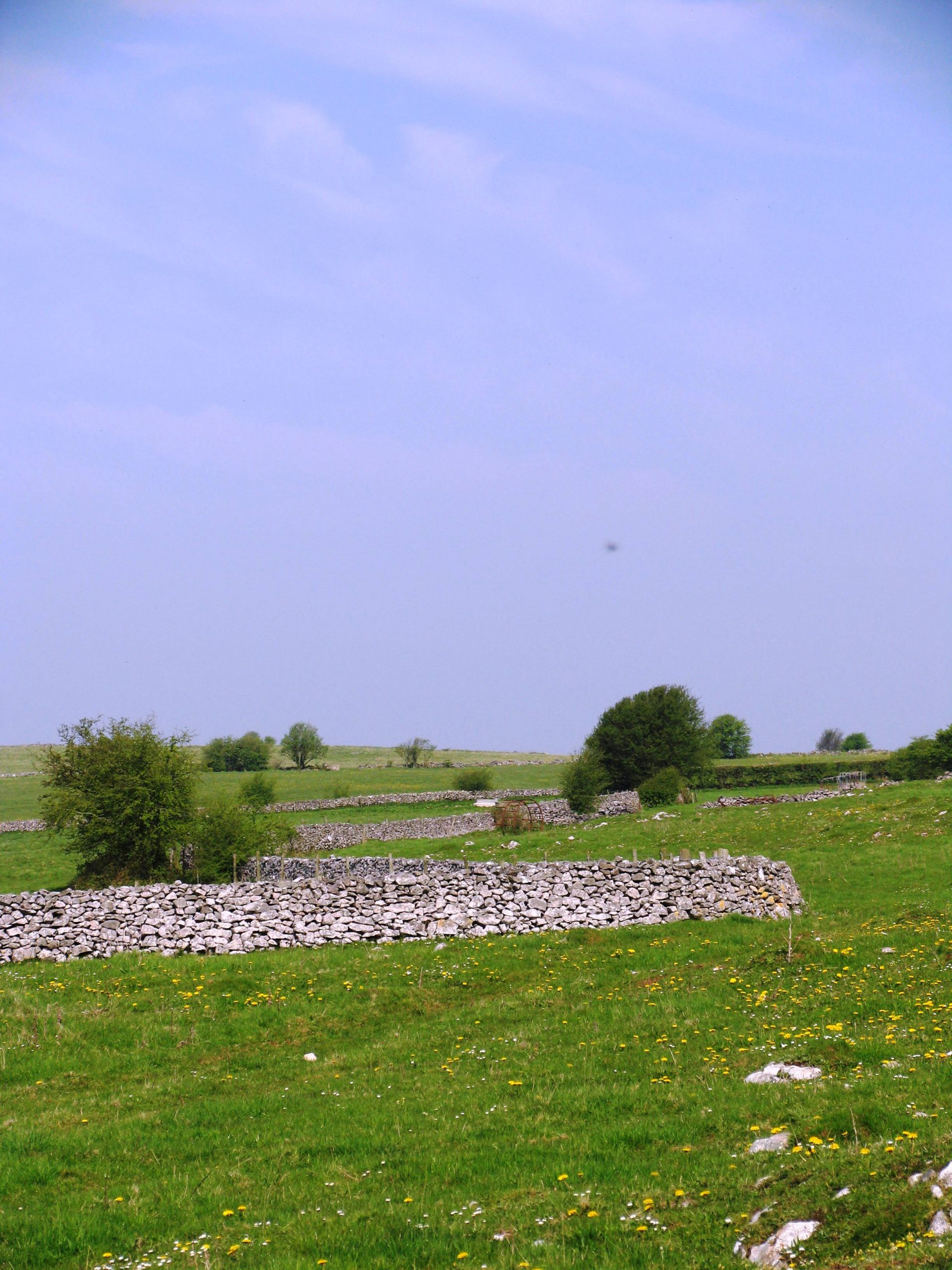
These criss-cross the plateau dividing the farmland grazed by sheep, beef and dairy cattle. The walls are a vital lifeline for wildlife including the rare adder – they are perfect for basking on and make a safe way of moving from one place to another. There are over 400km of dry stone walls on Mendip and home to over 220 different species.

December 2019 #mendipdrystonewalls blog (PDF Download 121KB)

These 12 special qualities are why the area is designated as an National Landscape and are the priorities for management.

Particular combinations of these special qualities form 11 distinctive landscape areas identified in the Mendip Hills National Landscape Landscape Assessment (1998).

For current work on the National Landscape’s Landscape Character Assessment, Special Qualities and sensitivity studies, please go to our Planning page.

To find out more about how to recover nature with these special qualities in mind, take a look at our National Landscape Nature Recovery Plan.